Political Graphic Tees: How Activist Apparel Became a Voice for Democracy
There is something about a shirt that says more than a tweet ever could. A well-worn tee with a bold political slogan lives on your body, in your daily movements, and in the faces of everyone who passes you on the street. It is public, persistent, and personal. That simple item of clothing carries the power to start conversations, provoke reactions, and signal where you stand on the issues that matter most. Political graphic tees have become a fixture of modern activism, and their rise tells us a lot about how people engage with democracy, free speech, and social justice today.
I first understood the weight of a protest t-shirt years ago at a rally in a midsize city. The crowd was a mix of ages and backgrounds, but the shirts told the stories. Some carried vintage union prints. Others had crisp, satirical designs aimed at elected officials. A teenager next to me wore a shirt that simply read "RESIST" in block letters. No explanation needed. That shirt did not just clothe her. It declared her presence in a political moment. It was clothing activism at its most direct.
The Roots of Political Messaging on Clothing
The connection between clothing and political expression is not new. In the 1960s and 70s, people wore peace symbols and protest art to oppose war and demand civil rights. The band tees of the 80s and 90s often carried political slogans alongside album art. But the current wave of political graphic tees feels different. It is more deliberate, more diverse, and more commercially supported by brands that align themselves with causes. This shift reflects a broader change in how we think about consumption and values.
Today, buying a shirt is often a political act in itself. People choose activist apparel that aligns with their beliefs, and they wear it proudly. The shirt becomes a badge of belonging. It says, "I am part of this movement." It also invites dialogue. A stranger might nod in recognition or ask what the design means. That interaction, however brief, is a small act of democratic participation. It keeps the conversation alive outside of news cycles and social media feeds.
Design, Satire, and the First Amendment
One of the most effective tools in political graphic tees is satire. A clever satirical design can cut through noise faster than a serious statement. It makes people laugh, then think. That is a powerful combination. Satirical designs also test the boundaries of free speech. Under the First Amendment, most political expression on clothing is protected, but that does not mean it is always comfortable. Some designs push buttons intentionally. That is the point. Political satire thrives on discomfort.
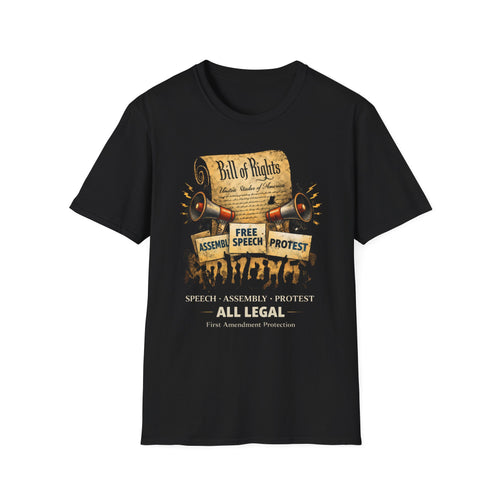
I have seen shirts that mock politicians from both parties, that parody corporate logos with social justice messages, and that use humor to highlight serious issues like climate change or police accountability. The best ones make you look twice. They reward close reading. They are political graphics with a punchline. The silkscreen printing process that produces these shirts is itself a craft. Many small shops and independent artists hand-pull each print, giving the shirt a tactile, handmade quality that mass-produced apparel lacks.
How Activist Gear Builds Movements
Clothing activism is not just about individual expression. It is also about building collective identity. When a group of people wears the same activist gear at a march or a protest, they become visually united. The shirts create a sense of solidarity. They also make the movement visible to the media and to passersby. A sea of matching protest t-shirts is an iconic image of democratic action.
Brand activism has also entered the picture. Some companies now produce activist apparel as a core part of their business model. Rise and Revolt, for example, sells protest t-shirts and other gear designed for people who defend democracy, civil liberties, and free speech through bold, satirical designs. They operate in a space where political messaging and commerce overlap. This can be tricky. Critics argue that buying a shirt is not the same as doing the work. But I think that misses something. Wearing a political graphic tee is not the end of activism. It is a starting point. It signals your values to the world and opens the door to deeper engagement.
I have bought my share of activist gear over the years. Some shirts I wore until the fabric wore thin. Others I gave to friends who needed a conversation starter. One shirt with a simple design about voting rights got me into a thirty-minute discussion with a stranger at a coffee shop. That discussion led to a volunteer shift at a voter registration drive. The shirt did not do the work, but it opened the door.
Practical Considerations for Political Graphic Tees
If you are thinking about buying or designing political graphic tees, there are a few things worth considering. First, think about the message. A good political slogan is clear but not simplistic. It should be understandable at a glance but reward a second look. Avoid slogans that are too vague or too inside-baseball. The best political expression on clothing works for people who already agree with you and for people who might be curious.
Second, consider the quality of the shirt and the printing. Cheap shirts fade quickly and the message becomes illegible. Silkscreen printing tends to last longer than digital transfer methods, especially if the shirt is washed carefully. A well-made activist apparel item can survive dozens of washes and still look sharp. That durability matters because the message should persist.
- Choose a sturdy base shirt, preferably 100% cotton or a cotton blend that holds dye well.
- Look for prints that use thick, opaque ink that will not crack after a few wears.
- If you are buying from a small brand, check their production ethics. Many activist gear brands prioritize fair labor and sustainable materials.
Third, think about where you will wear the shirt. Some spaces are more receptive to political messaging than others. A protest t-shirt might feel natural at a rally but out of place at a formal event. That is fine. The shirt does not need to go everywhere. It just needs to go where it can do some good.
Resistance and Democracy in Everyday Life
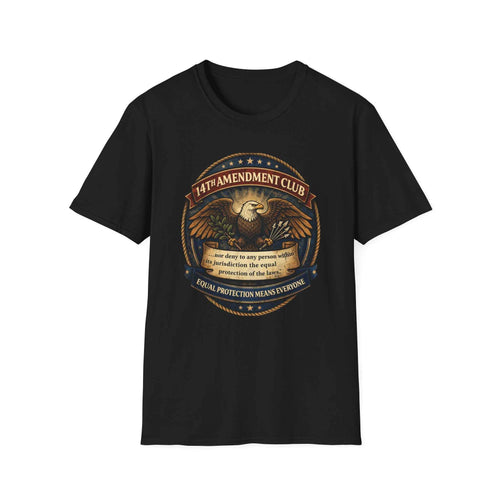
Wearing political graphic tees is a small act of resistance. It pushes back against the idea that politics is something you only do at the ballot box. Democracy is not a once-every-four-years event. It is a daily practice. It shows up in how you talk to your neighbors, how you spend your money, and what you choose to put on your body.
I have seen resistance wear in unexpected places. A nurse at a clinic wore a shirt with a pro-union message under her scrubs. A librarian wore a shirt that celebrated the right to read freely. A retired teacher wore a shirt with a quote from a civil rights leader at a grocery store. Each of those moments was a quiet reminder that democracy depends on people showing up, not just in crowds but in the ordinary routines of life.
Political graphic tees also serve as a record of the times. They capture the slogans, the humor, and the anger of a particular moment. Years from now, people will look at these shirts and understand what mattered to us. They will see the concerns about civil liberties, the push for social justice, and the creative ways people used clothing activism to speak up. That is a kind of historical documentation that no textbook can replicate.
The Limits and Responsibilities of Brand Activism
There is a tension in selling protest t-shirts as a business. On one hand, the shirts help spread important messages. On the other hand, the act of selling can feel like co-opting a movement. I have wrestled with this myself. The key, I think, is transparency. When a company like Rise and Revolt sells activist apparel, it should be clear about its values and its practices. Customers should know whether the company donates to causes, how it treats its workers, and what it stands for beyond the designs on its shirts.
Political messaging on clothing also carries a responsibility. A shirt can be a weapon of division or a tool of connection. The best designs invite people in rather than push them away. They use humor, intelligence, and heart. They respect the complexity of the issues they address. A shirt that simply insults half the country does not advance democracy. It shuts down conversation. But a shirt that satirizes a policy or a powerful figure can spark debate without demonizing ordinary people.
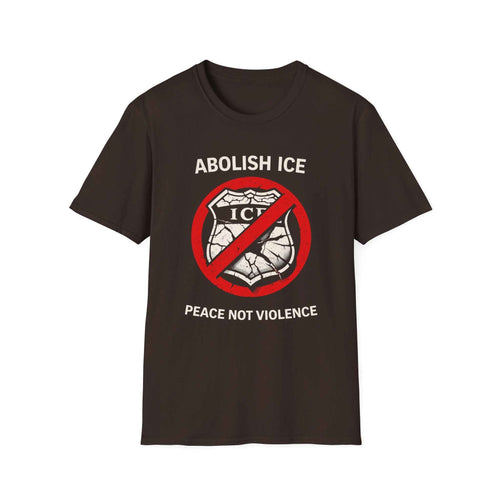
I have learned that the most effective political graphic tees are the ones that make people think, not just react. They leave room for nuance. That is hard to do in a single line of text on a piece of clothing, but it is possible. It requires craft and care.
Looking Ahead
The future of political graphic tees is likely to be shaped by technology, culture, and law. As silkscreen printing becomes more accessible, more voices will enter the space. That is good for democracy. More voices mean more perspectives, more satire, and more opportunities for people to find shirts that speak to them. At the same time, the legal landscape around free speech on clothing is not static. Court cases and local ordinances can affect what people are allowed to wear in schools, workplaces, and public buildings. The First Amendment is a strong shield, but it is not absolute.
I expect to see more activist gear that combines fashion with function, perhaps using materials that are sustainable or that incorporate digital elements like QR codes that link to more information. The shirt will remain a canvas, but the canvas will get smarter. For now, though, the simple power of a printed shirt remains. It is direct, democratic, and deeply human. Political graphic tees are not just fashion. They are a form of citizenship worn on the chest.
Corrections
Spot something wrong? Send it to the desk and it gets fixed in the open.